
The New Essentials: How to choose a data provider amidst a new shipping landscape
Learn how to select the right data provider to navigate today’s volatile freight landscape and drive data-backed decision-making.
Learn how to select the right data provider to navigate today’s volatile freight landscape and drive data-backed decision-making.

DAT iQ turns freight market visibility into strategy, giving transportation leaders the data and insight to decide with confidence.

See how Colgate-Palmolive used DAT benchmarking to validate freight costs and secure up to 10% savings on supplier agreements.

Case study detailing how Henkel used DAT iQ benchmarking, forecasting, and peer comparisons to strengthen sourcing strategy, design flexible contract models, and achieve approximately $1.5M in annual cost avoidance.

See how leading shippers use DAT to reduce freight spend, strengthen sourcing, and build more resilient procurement strategies.
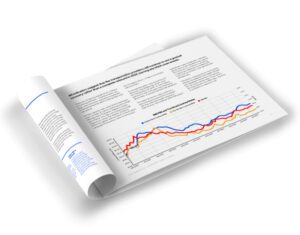
Grab a copy of our annual report and explore freight industry trends and logistics market insights that will shape transportation in 2026.

What happens when a freight orchestration platform like GoodShip can harness the power of DAT’s data? Confident benchmarking, fast, simple workflows, decisions backed by data, and efficiency like never before.

Streamline your freight strategy with embedded DAT benchmarking, rate, and market intelligence directly inside leading TMS, sourcing, and planning platforms.

Integrate real-time rates, benchmarks, and analytics into your systems to make every decision data-driven.
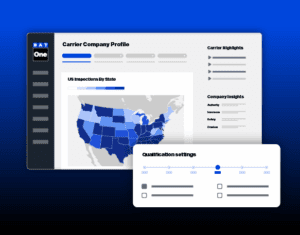
Build a smarter, more efficient network with DAT One’s Carrier Management Suite.

Shipper Spot Rate can help your team figure out where they’re leaving margin on the table. How can your business benefit from a 360-degree view of the market?

How to forge carrier partnerships that fuel long-term growth.